Snoring and Sleep Apnea:
More Than Just a Noise Problem

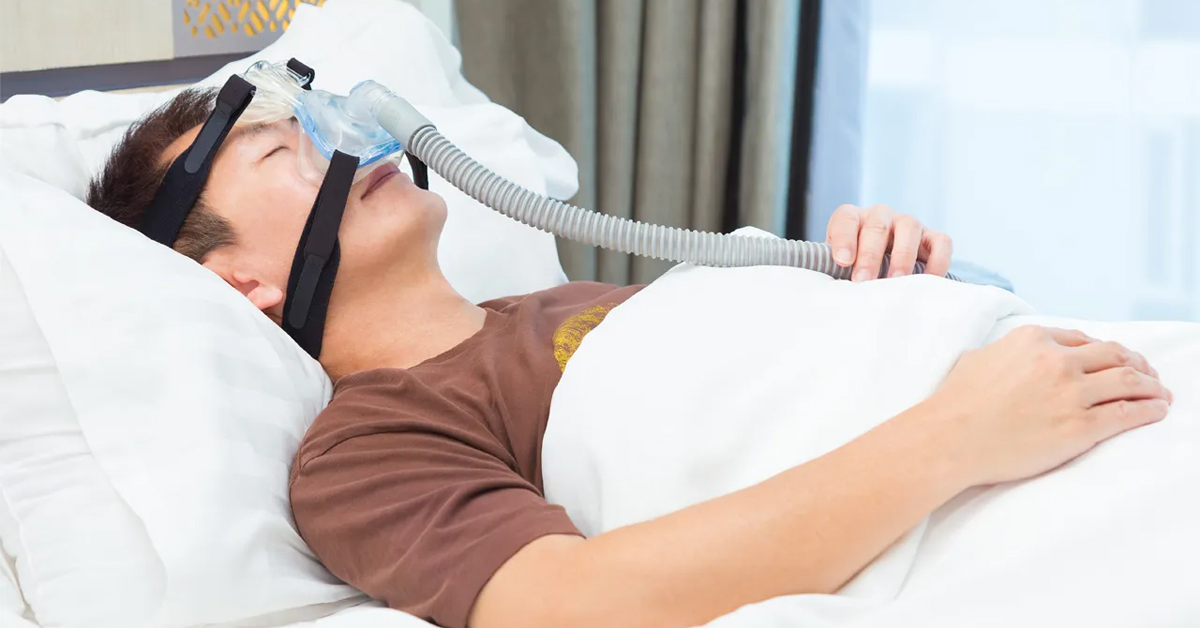
Many people think snoring is only a social problem, but in some cases, it can be a sign of a serious medical condition called obstructive sleep apnea. This condition occurs when the airway repeatedly collapses during sleep, causing breathing to stop for short periods.
Symptoms include loud snoring, daytime sleepiness, morning headaches, poor concentration, and disturbed sleep. Untreated sleep apnea increases the risk of high blood pressure, heart disease, and stroke.
Treatment depends on the cause and severity. Some patients benefit from lifestyle changes and medical devices, while others may require surgical correction of nasal or throat obstruction.
Proper evaluation by an ENT specialist helps identify the site of blockage and choose the most appropriate treatment to restore healthy, restful sleep.

 Pediatric ENT Problems: When Should Parents Be Concerned?